Big Energy Bill? Usage and Costs Climb During New York's Rough Winter
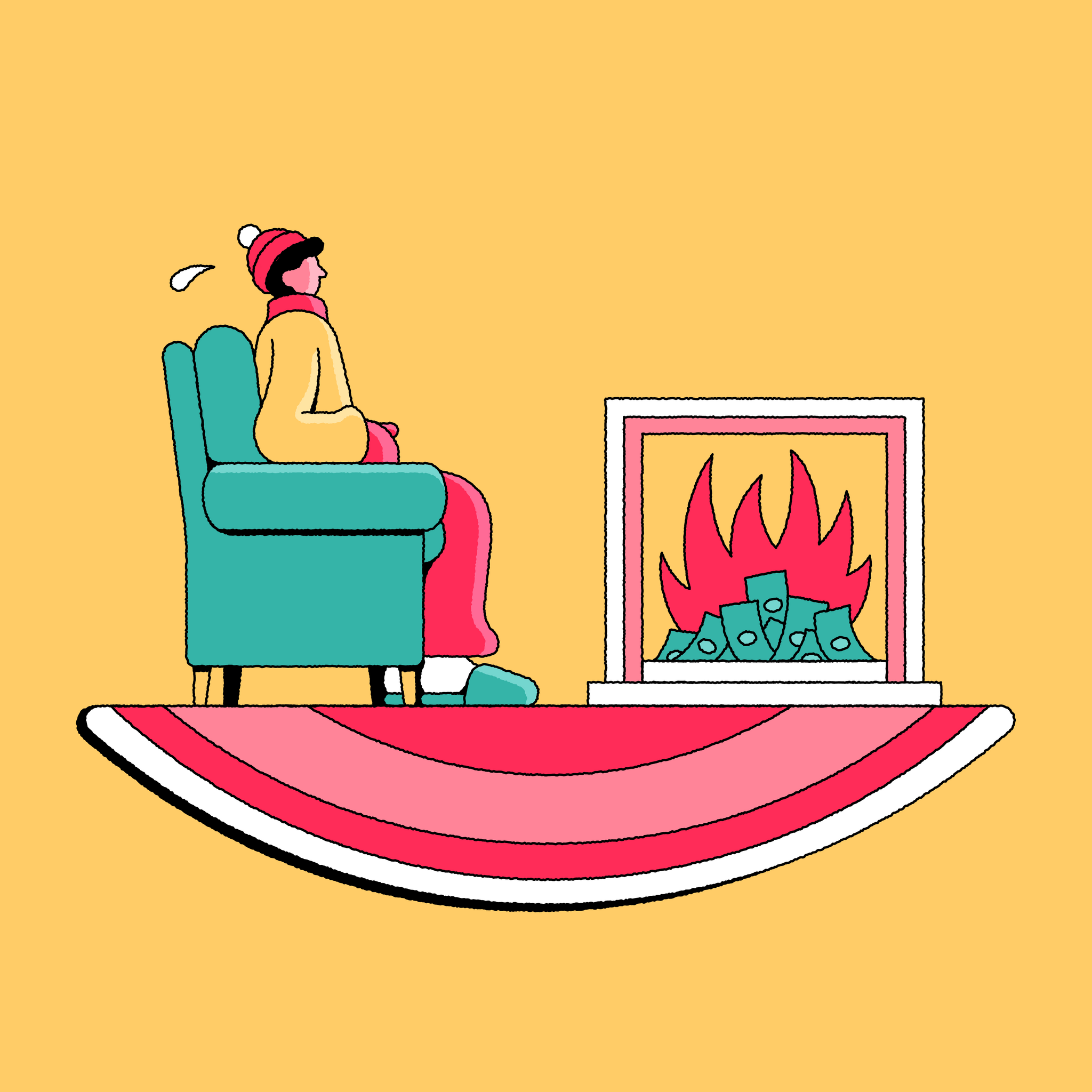
The City––Gas and electric prices are both up as New Yorkers have cranked up the thermostat this season.

Big Energy Bill? Usage and Costs Climb During New York's Rough Winter
The City––Gas and electric prices are both up as New Yorkers have cranked up the thermostat this season.

Personal Impacts of a Changing Energy System, with David Konisky
Resources Radio––David Konisky discusses the tensions of the clean energy transition at the local level and how listening to communities at the forefront of the transition can shed light on potentially overlooked complications of scaling clean energy infrastructure.

The One Big Beautiful Prediction: The Energy Transition Is Still Alive
Capital & Main––Trump has attacked renewable power from every angle, but energy justice scholar Sanya Carley envisions an affordable green future.

Home heating costs to jump more than 9% this winter
Marketplace––An expensive home cooling season over the summer has many families starting winter in the red.

Trump Tosses Lifelines to the Struggling Coal Industry
The New York Times––The Energy Department ordered two coal-burning power plants to remain open, and the Environmental Protection Agency gave utilities more time to tackle toxic coal ash.

Duke Energy seeks higher rates, profits in NC despite soaring disconnections
Energy & Policy Institute––Duke Energy wants permission to raise bills and profits in North Carolina, even as growing disconnection rates put people's lives at risk.
Science Matters: David Konisky, Environmental Social Scientist
Moms Clean Air Force––This story is part of our series Science Matters, where we interview scientists about the practical implications of federal attacks on science jobs, funding, and education for everyday families and public health.
Americans are facing power shutoffs and mounting debt as energy costs surge
CBS News––Past-due balances are becoming a reality for many U.S. households as they struggle to keep up with costlier utility bills.

More Americans are getting their power shut off, as unpaid bills pile up
The Washington Post––Average electricity costs have risen 11 percent since January, more than three times the rate of inflation. “For the first time, we’re behind on all of our utilities," one Ohioan said.

How to Deal with Higher Home Heating Bills
The New York Times––There is still time to take advantage of federal tax credits for energy updates. But federal heating aid for low-income people was delayed by the government shutdown.

Home heating assistance in limbo as cold snap sweeps U.S.
wbur––As lawmakers in Washington take steps toward ending the government shutdown, University of Pennsylvania energy expert Sanya Carley talks about federal home heating help known as LIHEAP, which is not being paid out to residents of several states as a cold snap arrives.
Heating help delayed in shutdown as cold snap arrives
wbur––People who rely on federal home heating help are waiting, as a cold snap arrives in much of the country.

List of States Delaying LIHEAP Payments During Government Shutdown
Newsweek––Americans relying on the Low-Income Home Energy Assistance Program (LIHEAP), which helps those in low-income homes cover energy costs, have been warned in some states that payments could be delayed amid the ongoing government shutdown.

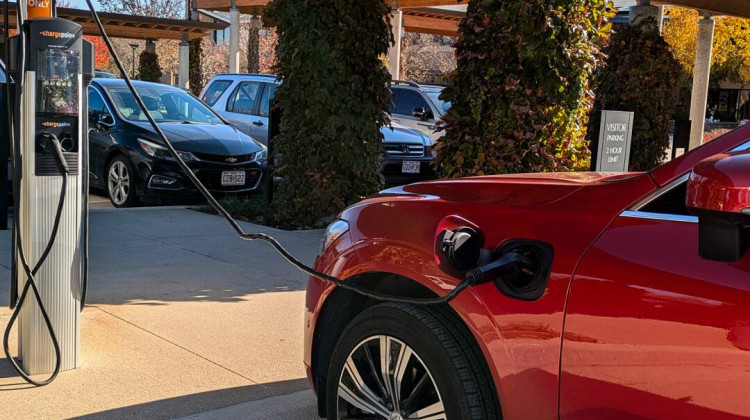
Indiana continues interstate EV charging program under new guidance from Trump administration
IPB News––The goal of the program is to reduce the fear that EV travelers will run out of battery life before reaching a charging station.
As electric bills rise, more states ban disconnections in dangerous weather
Straight Arrow News––Many states have long had laws that prevent disconnection during extreme cold. More recently, a growing number of states are passing laws that prevent utility companies from disconnecting customers during extreme heat.

Why Energy Inequalities Could Persist in the Clean Energy Transition
Energy Policy Now––A live discussion with Sanya Carley and David Konisky, authors of the new book Power Lines, on the inequities that define America’s energy system—and how they could carry into the clean energy future if left unacknowledged.
Broken AC is killing Arizonans in their homes. What leaders can do to fix it
The Arizona Republic––This week on The Gaggle, host Ron Hansen talks with David Konisky about what can be done to minimize heat fatalities and what policies could be put into place.

Cardinal News––Data center companies are some of the biggest and most powerful businesses in the world. They are using some of their political might to ensure that they don’t have to pay for all this new electrical infrastructure themselves.

EPA plans to end a program that makes solar power available to low-income Americans
NPR––The Trump administration plans to end a $7 billion Biden-era program that helps low-income households get solar power.

Dead Heat: The Danger of Home Power Shutoffs
Climate One––Summer is here, temperatures are rising — and so are electric bills. That also means many people are facing a severely overlooked issue: power shutoffs. In 2024, more than 600,000 households in the United States had their power shut off due to an inability to pay. When that happens, people cannot turn on their lights, keep food refrigerated, or cool down the home. And regulations preventing shutoffs during extreme heat events are woefully inadequate. But when utilities help pay the upfront costs of efficiency upgrades, the customers and utilities can both save energy — and money. How do we protect the most vulnerable populations from the dangers of home power shutoffs?

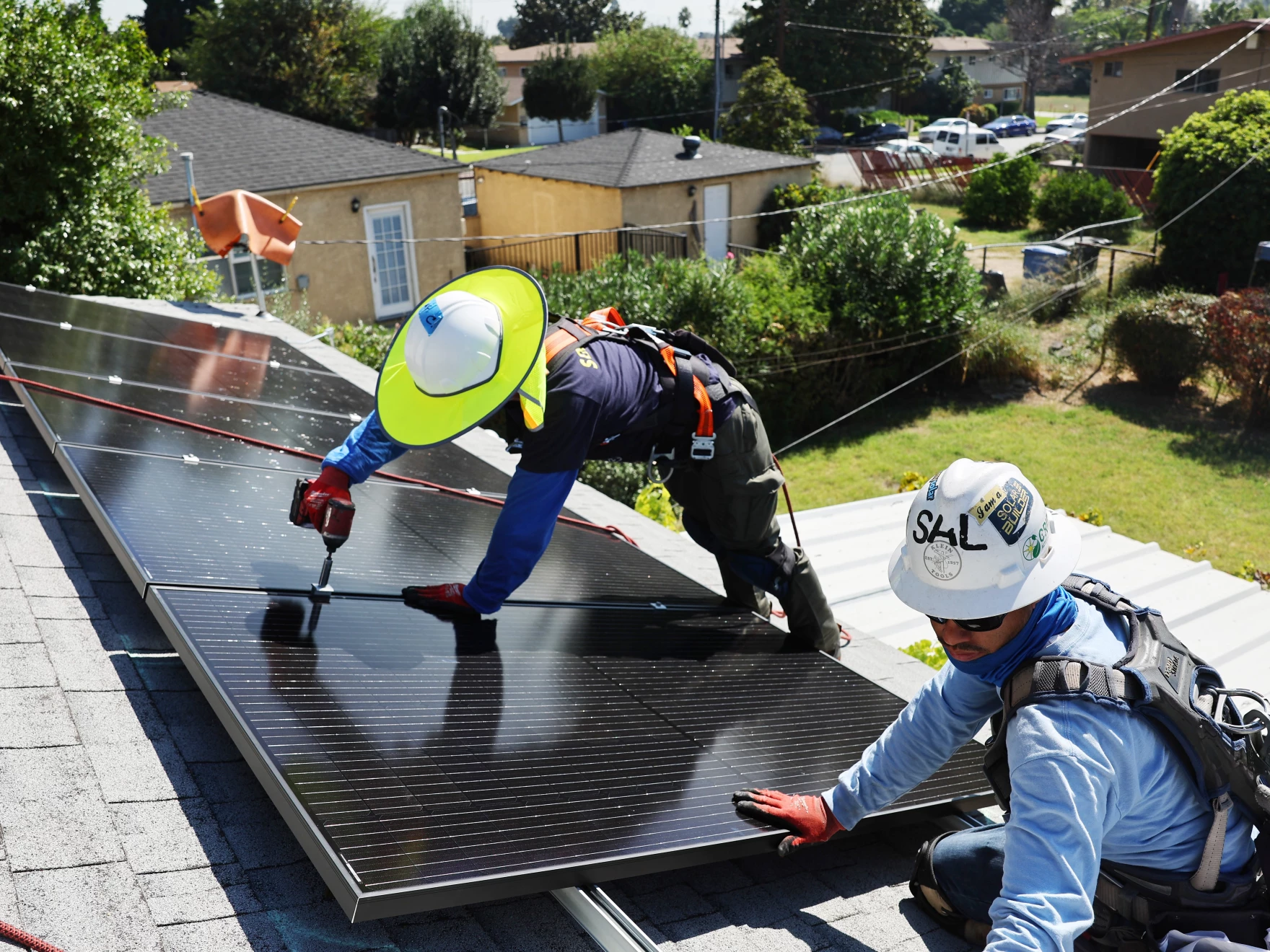
Who Benefits from Rooftop Solar - and How Much?, with Madeline Yozwiak
Resources for the Future––Host Daniel Raimi talks with Madeline Yozwiak, a PhD candidate at Indiana University Bloomington, about the potential of residential rooftop solar technology.

WHYY––The Trump administration wants to end LIHEAP. 300,000 Pa. households could struggle to pay heating bills.

Trump Administration Severs 'Lifeline' for Families Struggling to Pay Utility Bills
Inside Climate News––A federal program that helps low-income households pay for heating and cooling costs is in limbo.

RFK Jr urged to release nearly $400m allocated to help families combat heat
The Guardian––As part of Trump’s administrations ‘efficiency’ drive, staff running decades-old program for energy assistance laid off.

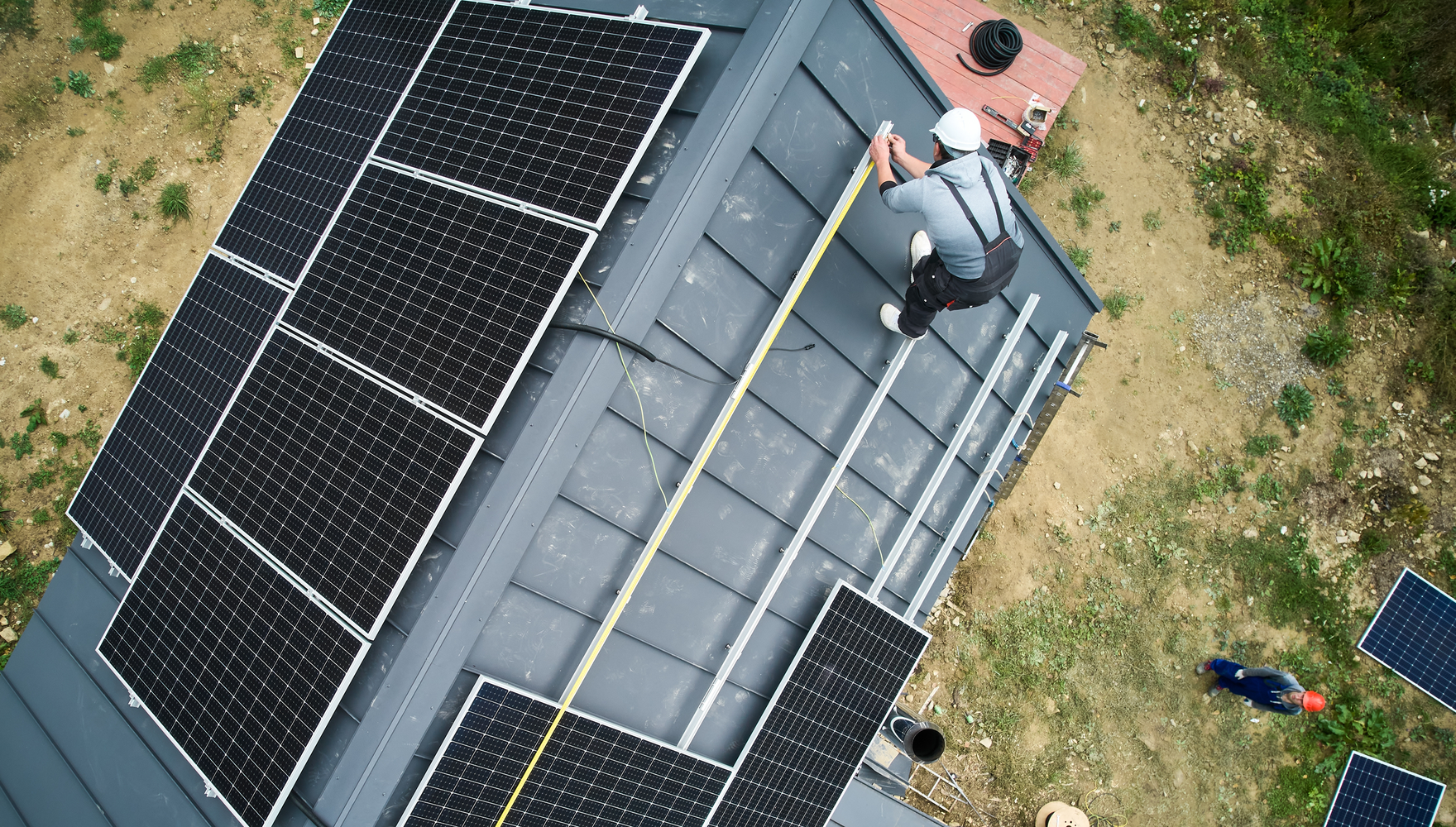
The Cool Down––New research shows how rooftop solar can help improve the energy security for low-to-moderate-income households.

How Trump's executive order on coal could impact energy use in the US
ABC News––It no longer makes economic sense to maintain or build coal-fired plants.
HHS cuts could put families at risk when weather heats up
NPR––A federal program that helps people pay their heating and cooling bills is now on hold. That's after its entire staff was fired this week.

It costs more to use an electronic medical device in Hawai'i than in any other state
Hawai'i Public Radio––A new study conducted by Carley and her colleagues shows that the electricity costs associated with medical devices in Hawaiʻi are higher than in any other state. Residents with these devices pay 40% more on their bills each month, though the exact costs vary by device.

Energy Poverty and Utility Disconnections in the United States, with Sanya Carley
RESOURCES RADIO––Episode 312: Carley discusses the problem of utility disconnections, which occurs when a utility turns off a household's water, electricity, or heat; the potentially risky strategies that households employ to avoid shutoffs by reducing energy consumption and costs; the groups that are most vulnerable to disconnection; and potential improvements to government programs that help low-income households pay utility bills.

In Tennessee, Climbing Utility Rates and More than 140,000 Household Cut-Offs in 2023
INSIDE CLIMATE NEWS––Utility rates have increased nationwide since the COVID-19 pandemic. However, as more states enact legislation suspending disconnections during heat waves, Tennessee remains an outlier.

93F and no electricity: why some US utilities can cut power despite heatwaves
THE GUARDIAN––In 27 states, utilities can disconnect power for non-payment on the hottest days, which an have deadly consequences.

Americans face sky-high energy bills amid extreme heat
PBS NEWS HOUR––As summer temperatures have soared across the nation, so have electric bills as air conditioners work overtime. Every year, nearly 3 million American households have their electricity shut off because of unpaid bills. We hear from people dealing with this issue and John Yang speaks with Sanya Carley, professor of energy policy and city planning at the University of Pennsylvania, to learn more.

Behind on electric bills? A spike in disconnections has the state seeking solutions
HAWAI'I PUBLIC RADIO––A spike in disconnections has the state seeking solutions. About 6,000 households had their power cut in 2023 due to missed payments, according to the state Public Utilities Commission. Are you having trouble affording your electric bill? You're not alone.

Why the U.S. government is spending $7 billion on solar for low-income homes
NPR––By funding programs that provide rooftop solar panels, batteries to store solar energy, and community solar farms, the EPA expects to help more than 900,000 low-income households reduce pollution that drives climate change, and reduce bills.

The fight to make landlords turn down the thermostat
THE WASHINGTON POST––As heat waves intensify in a warming world and a growing body of research shows the deadly effects of extreme heat, some renters, politicians, tenant advocates and environmental health experts are pushing for stronger hot weather protections, such as requiring rental units to be cooled to a certain temperature.

THE CONVERSATION––Energy utility providers in 2022 shut off electricity to at least 3 million customers who had missed a bill payment. Over 30% of these disconnections happened in the three summer months, during a year that was among the hottest on record. In some cases, the loss of service lasted for just a few hours. But in others, people went without electricity for days or weeks while scrambling to find enough money to restore service, often only to face disconnection again.

The US is failing renters during extreme heat waves
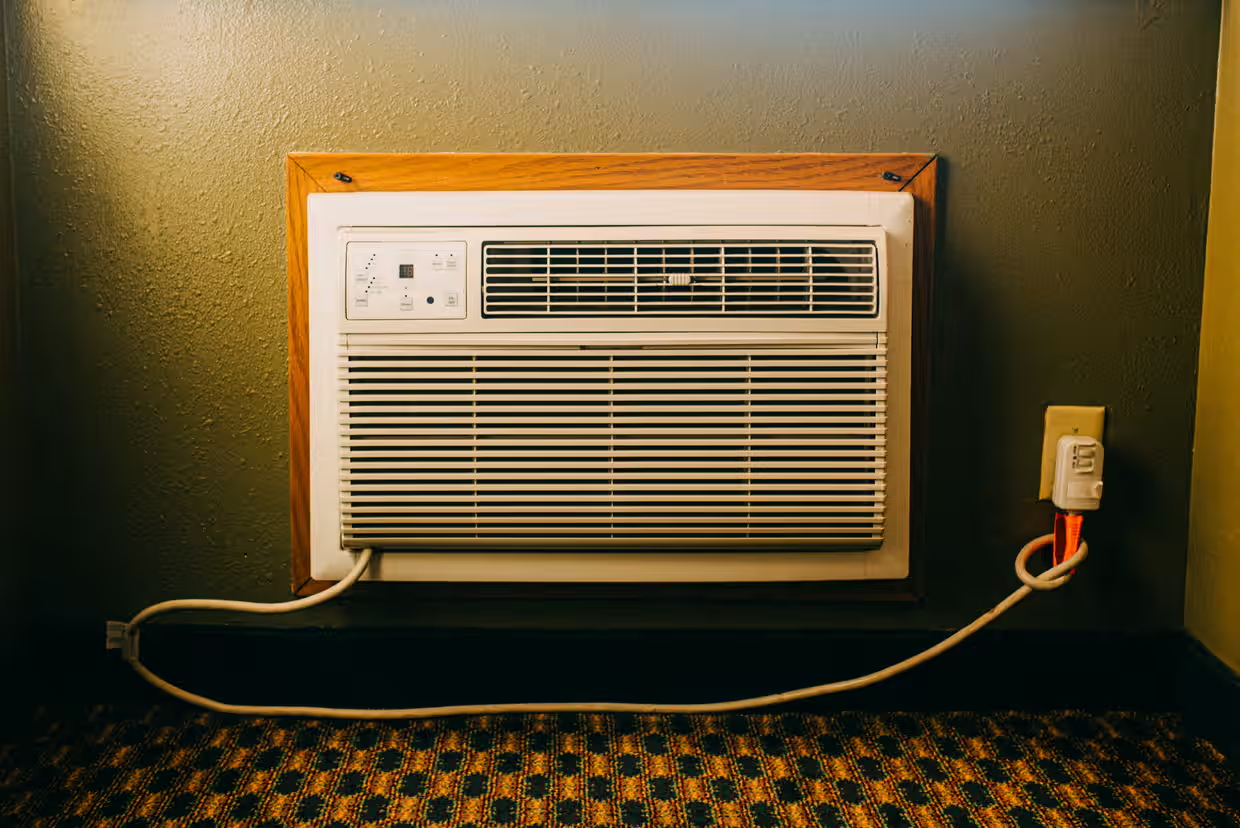
VOX––Roughly 13 percent of US households lack air conditioning, with renters more likely to go without than homeowners. The consequences of that lack have been increasingly evident in recent years, with multiple cities like Phoenix recording record-high deaths from heat.

Extreme heat is turning electricity cutoffs into new political battle for power companies
CNBC––Extreme heat is turning electricity cutoffs into new political crisis for power companies. At least three million U.S. utility customers have their power disconnected each year, an issue which is receiving new political scrutiny due to heat waves and climate change.

Indiana should protect customers from utility shut-offs during extreme heat
INDIANA CAPITAL CHRONICLE––With temperatures forecasted this summer to be well above normal, it is imperative that the General Assembly and Indiana Utility Regulatory Commission take immediate steps to protect Hoosiers from losing access to the energy they need to maintain safe and comfortable temperatures in their homes.

A lack of data hampers efforts to fix racial disparities in utility cutoffs
GRIST––A Minnesota study found customers in communities of color are three times more likely than others to have their electricity cut off, highlighting a hidden nationwide problem.

Millions struggle to pay AC bills in heat waves. Federal aid reaches only a fraction
ASSOCIATED PRESS––Americans forego basic necessities to pay electric bills to cover air conditioning expenses during the worst heat waves on record; meanwhile, federal aid programs, including the Low Income Heating and Energy Assistance Program (LIHEAP) reach only a fraction of customers in need.
As extreme heat lingers, millions of U.S. households face a utility shutoff crisis
NPR––Americans are preparing for more extreme heat just a few days after the hottest day ever recorded; meanwhile, the U.S. is in the middle of a utility disconnection crisis.

New dashboard highlights utility disconnections nationwide
INDIANA CAPITAL CHRONICLE––AES Indiana, one of the Indiana’s “big five” investor-owned utility companies, logged the state’s top residential disconnection rate in data from an Indiana University dashboard launched Friday.
Ohio advocates say there’s still a need to knock on doors before utility shutoffs
ENERGY NEWS NETWORK––Technology no longer requires utilities to dispatch a service worker to shut off a customer’s power. Consumer advocates, though, say regulators should still require an in-person visit before companies turn off electricity.
Home heating bills expected to increase
FOX59––Sanya Carley explains to Fox59 News Correspondent how Indiana residents can prepare for the worst effects of winter, including increased energy bills.
The impact of American energy insecurity
FINANCIAL TIMES––More than a quarter of American households with children struggled to pay their energy bills at least once in the past year, says US Census Household Pulse Survey data released last week.
More people unable to pay utility bills, with colder months coming
NPR MARKETPLACE––As temperatures drop, unemployment remains high, and additional pandemic relief aid is stalled, activists warn about an energy crisis: a growing number of Americans are unable to pay utility bills.
A 'tidal wave' of power cuts may be coming as electric companies resume shutoffs
TIME––As utility companies resume cutting power to customers who have fallen behind on their bills, residents in Ohio, Florida, Maryland, Indiana, and Illinois are at risk of shutoffs as early as September 2020. Shutoffs can resume in late September or October in North Carolina, Tennessee, and Texas.