

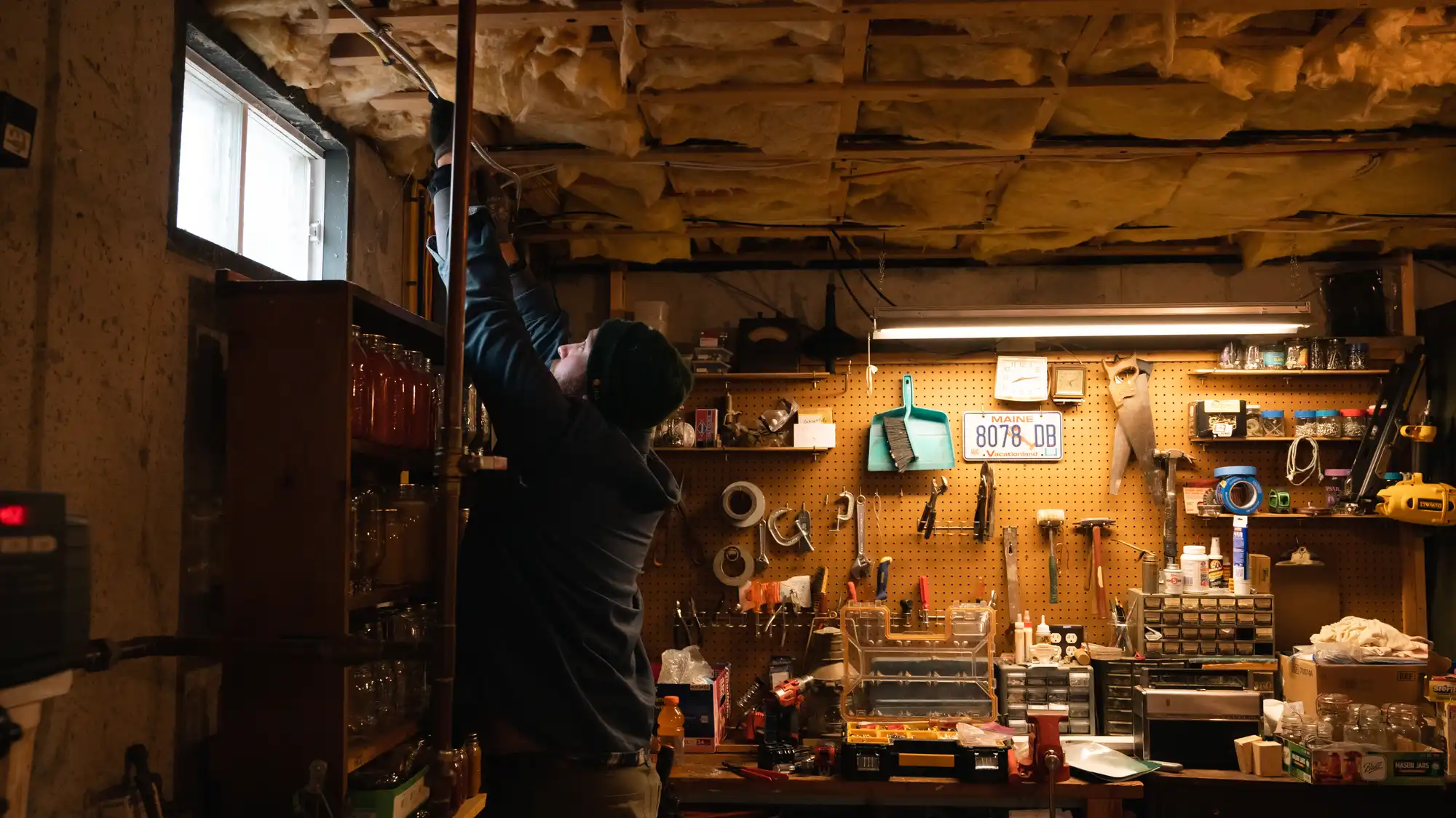
As the temperatures drop, the need for heat is cranking up. And this winter, the average cost of heating is expected to jump more than 9%, according to projections from the National Energy Assistance Directors Association.
Even before winter sets in, families have already been struggling with utility costs, said Mark Wolfe, an energy economist and executive director of the National Energy Assistance Directors Association.
“We estimate about one out of six families are behind in the utilities bills right now. They owe about $23 billion to their utilities,” he said.
...
There are a lot of reasons why heating keeps getting more expensive. There’s the rising cost of natural gas because of market volatility and companies upgrading their infrastructure.
And even if a customer’s home is heated with electricity, that’s getting more expensive too, said David Konisky, a political science professor at Indiana University and co-director of the Energy Justice Lab.
“We have heard a lot about AI and data centers … But also, just as utilities are modernizing and upgrading the grid, these costs are passed down to consumers,” he said.
That’s on top of all of the other rising costs of essentials, including food and health care, Konisky said.
Those who can’t pay may accumulate debt.
“This leaves them in a pretty vulnerable situation with their utility, because utilities do have the ability to shut off customers when they are behind on their bills,” he said.
Though there is help available. Most states offer protections from shut-offs and some nonprofits can help cover some costs.
There’s also the federally funded Low Income Home Energy Assistance Program, but Konisky said less than 20% of eligible people actually get relief through the program.
“It's not an entitlement program, so once those resources have been expended, they're not available to anybody else,” he said.
Konisky said the government could increase LIHEAP funding, and states, local governments, and utilities could offer more emergency assistance.
“But these are really Band-Aids, right? They are helping people get through the immediate material hardship that's being created by the higher prices,” he said.
Over the longer term, he said, changing rate structures and identifying energy efficiency upgrades will help people better afford their utilities.